 Visit Athens Guide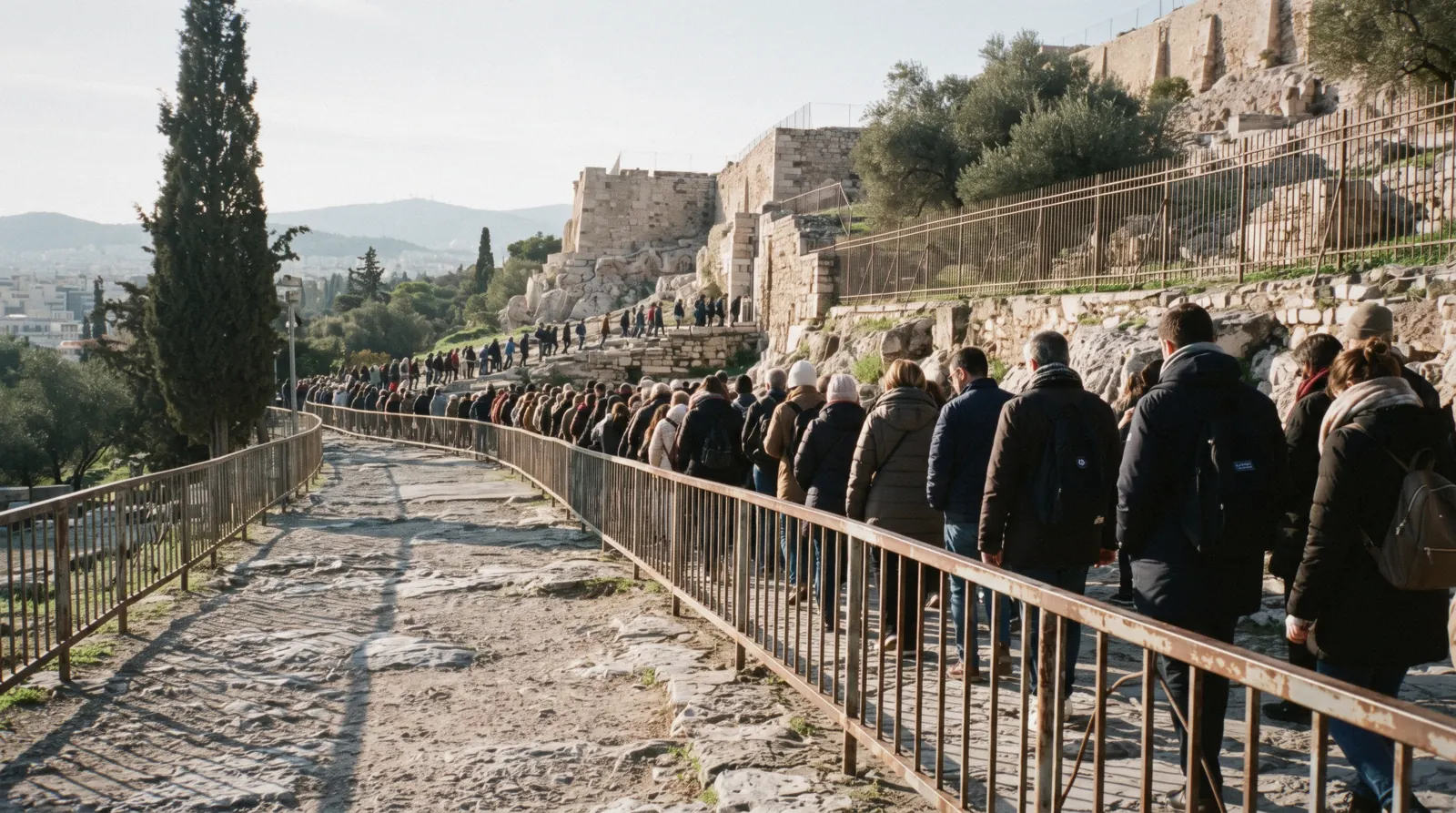
Free Entry Days in Athens: Two Calendars, Not One
Free entry days in Athens are run by two organisations that do not use the same calendar. The state archaeological sites, the Acropolis among them, are free on five fixed dates and on two Sundays a month in winter; the Acropolis Museum has its own shorter list, which includes a day the Acropolis is shut. Both are printed below as checked in Q3 2026, with a straight answer on which are worth planning around. What each site costs the rest of the year is on the tickets hub, and what to do in Athens covers the wider plan.
Quick answer The dates, and the one most guides get wrong
State archaeological sites and museums in Athens, the Acropolis included, are free on 6 March, 18 April, 18 May, the last weekend of September and 28 October, and on the first and third Sunday of every month from 1 November to 31 March.
Key takeaways
- First and third Sunday, not just the first — that is what the official pages say, and most of the web still prints the shorter version. The state calendar has it in full.
- The Acropolis Museum runs a different list: 6 March, 25 March, 18 May and 28 October, and no Sundays at all. The museum calendar sets the two side by side.
- A free day is not a walk-in at the Acropolis: entry is still by declared hour, so claim a slot the moment they open — how the ticket works explains the system.
- On 25 March the museum is free and the Acropolis is closed altogether. That trap has its own line in which days are worth it.
- If your dates miss all of them, the money question moves to whether a bundle pays — usually only from three sites up.
- Not waiting for a free day? Eighteen things in Athens are free every day.
The state calendar: sites and museums run by the ministry
The same list appears on every Hellenic Heritage destination page — the Acropolis, both Agoras, the Olympieion, Kerameikos, Hadrian's Library, Aristotle's Lyceum, the National Archaeological Museum, and the sites out of town at Sounion, Eleusis and Brauron. Read on hh.gr on 1 September 2026.
The question is which kind of free day you want: a quiet one in a cold month, or a national occasion with the whole city out. They are not the same experience.
| Date | What it is | Crowd | Verdict | Book |
|---|---|---|---|---|
| 6 MarchAnyone wanting a free day with tolerable numbers; the weather is on your side | Melina Mercouri day | Moderate; cool weather | Good — the museum is free the same day | Official site |
| 18 AprilAnyone interested in the buildings themselves, on a spring date few visitors know | International Monuments Day | Building; spring weather | Good | Official site |
| 18 MayNobody who dislikes crowds — this is the heaviest free day of the year | International Museum Day | The heaviest of the year | Only if you are at the gate at 08:00 | Official site |
| Last weekend of SeptemberAnyone already in Athens at the end of September and willing to start early | European Heritage Days | Heavy; peak-shoulder weather | Two days, so split the sites | Official site |
| 28 OctoberAnyone who wants the national holiday itself as much as the free entry | Ochi Day, national holiday | Heavy, and Greek families are out | Go early or go elsewhere | Official site |
| First and third Sunday, 1 Nov – 31 MarWinter visitors, and the only free days on this list worth planning a trip around | Ten free Sundays across the winter | Light to moderate | The best free days in the year | Official site |
Ten winter Sundays is the part worth planning a trip around, and the part least often printed correctly. Winter hours are shorter — most central sites close at 15:00 and the Acropolis at 17:00 — so a free Sunday buys you one site properly, not four in a row. The opening-hours table has each closing time.
The Acropolis Museum's own calendar
The museum is a separate organisation and publishes its own free days, read on theacropolismuseum.gr on 1 September 2026. Three of the four overlap with the state list; one does not, and it is the one that catches people.
The two calendars overlap on only two dates, so the question is which organisation's free day you are actually chasing — the state's, or the museum's.
| Date | Acropolis Museum | State sites | What to do | Book |
|---|---|---|---|---|
| 6 MarchThe one date both calendars share; expect the heaviest numbers at both | Free | Free | The one day both are free — do the rock first | Official site |
| 25 MarchMuseum visitors only — the Acropolis itself is closed for the national holiday | Free | Closed for the national holiday | Museum only; the Acropolis is shut | Official site |
| 18 MayBoth, again, on the busiest free day in the Athens year | Free | Free | Both, and both packed | Official site |
| 28 OctoberBoth, on a national holiday when Greek families are out in numbers | Free | Free | Both, on a national holiday | Official site |
| Winter SundaysState-site visitors only; the museum charges its full $23.20 (€20) every Sunday of the year | Charged, €20 | Free | Pay the museum, walk the free sites | Official site |
The mismatch is the useful fact here. On a free winter Sunday the ancient sites cost nothing and the museum still charges €20; on 25 March the museum costs nothing and the Acropolis is closed. Neither organisation publishes the other's calendar, which is why so many itineraries get one of the two wrong. Acropolis Museum tickets has the rest of that shop's rules.
Which free days are actually worth it
Free is not the same as good. Three of these dates are a gift and two of them cost you a morning.
The winter Sundays: yes
First and third Sunday from November to March, ten days a year, in the months when Athens is at its emptiest anyway. Mean daily temperatures sit between about 9°C and 12°C, the queues are short, and the light on the marble is better than in July. The catch is the timetable: most central sites close at 15:00 in winter and the Acropolis at 17:00, with last admission twenty minutes earlier.
Plan one big site and one small one, not a circuit.
18 May: only at opening
18 May is International Museum Day, and it is one of the free state-site days listed by the culture ministry, alongside free entry at the Acropolis Museum. It falls as the season warms, and it draws the heaviest crowds of any free date. The Acropolis keeps its declared entry hour system on free days, and those hours disappear early.
If you can be at the gate for 08:00 you will have a good morning. Arrive at 11:00 and you will spend the money you saved standing in a queue. May heat is a real factor on the rock, and during official heatwaves the ministry has closed open-air sites through the hottest hours, announced a day or less ahead.
Book the earliest slot you can and carry water.
28 October: a national holiday first
28 October is Ochi Day, a public holiday marking the Greek refusal of the Italian ultimatum in 1940. The date is a free state-site day, and the Acropolis Museum is free too. It is also a day of parades, so Athenian families are out in force and much of the city shuts for the holiday.
Free entry therefore lands on one of the busiest days of the year, not a quiet one. It works well if you want to combine a site with the parade itself. It is a poor day for trying to see three or four sites, because queues and closures eat the hours.
Go early, pick one major site, and treat the rest of the day as the holiday it is.
25 March: read it carefully
25 March is Greek Independence Day, and it is the trap on the free-days calendar. The Acropolis Museum opens free on the date, one of its four free days alongside 6 March, 18 May and 28 October. The state archaeological sites do the opposite.
They close for the holiday, and 25 March is on the official closure list, the Acropolis among them. An itinerary built on the assumption that a free day means everything is open will lose you the rock entirely. Plan the museum for the 25th and move the Acropolis to another day, buying a timed slot in advance.
If your trip runs to 26 March, the sites are open again then, though 26 March is not a free day.
The last weekend of September: the quiet winner
European Heritage Days give two consecutive free days at the state sites, and they fall at the best time of year to walk in Athens. The summer heat has eased, yet the long timetable is still running, so the Acropolis keeps late opening while the smaller sites stay on their generous hours. Split your list across the two days rather than cramming everything into one.
Take the Acropolis and the Ancient Agora on one day, then the Olympieion, Roman Agora and Kerameikos on the other. The declared-hour system still applies on the Acropolis, so book a slot early for the day you choose. It is the most productive free weekend on the calendar.
How to actually claim a free entry
Three practicalities that decide whether the day works.
You still need a ticket, and at the Acropolis still an hour
Free admission means a zero-price ticket, not an open gate. Hellenic Heritage tickets are non-refundable even at zero cost, and the defence is the two changes per ticket allowed up to two hours before the slot. At the Acropolis the declared-hour system stays in force on free days, so the early hours are claimed first.
Treat a free day like any other and book the slot as soon as it opens, aiming for morning before the queues build. At the smaller sites you simply collect the ticket at the guardhouse on the day. Bear in mind that state sites are staffed by ministry employees, so a public-sector strike can shut the Acropolis on your free date.
Check service notices before you set out.
Reduced and free categories are a separate thing
The half-price and free categories that run all year depend on who you are, not what date it is, and they are a separate system from the calendar free days. They are checked with documents at the gate, so bring identification or proof of eligibility. At the Acropolis Museum the reduced ticket, €10 against the full €20, is issued at the desk only and never online.
If you qualify for one of these categories, do not buy a full-price ticket online in advance, because the discount cannot be applied afterwards. The same logic applies at the state sites, where reduced prices such as €15 at the Acropolis and €10 at the Ancient Agora apply to eligible visitors on any ordinary paying day.
What free days do not cover
The free-day calendars cover the state archaeological sites and the Acropolis Museum, and nothing else. Privately run sights keep their own prices on these dates. The Panathenaic Stadium charges €12 full and €6 reduced, audio guide included, and it stays a paying entry on 18 May and 28 October like any other day.
The Lycabettus funicular is private and so are the city's private museums, including the Benaki and the Museum of Cycladic Art, which set their own admission policies. The hop-on hop-off bus that some passes are built around is a commercial operation too and joins in no free day. The city pass page has the arithmetic on which of these a pass actually saves you money on. Since none of these free days reach the privately run side of the city, comparing athens guided tours is the easiest way to see what a paid option adds on top of them, and the tours in Athens are all on this page.
If the Free Day Does Not Fit Your Trip
The alternative to queueing on a free morning is a booked hour on any other day. These are the official entry products and the city pass, with the operators' own prices and review counts, checked on 1 September 2026.
 from €36
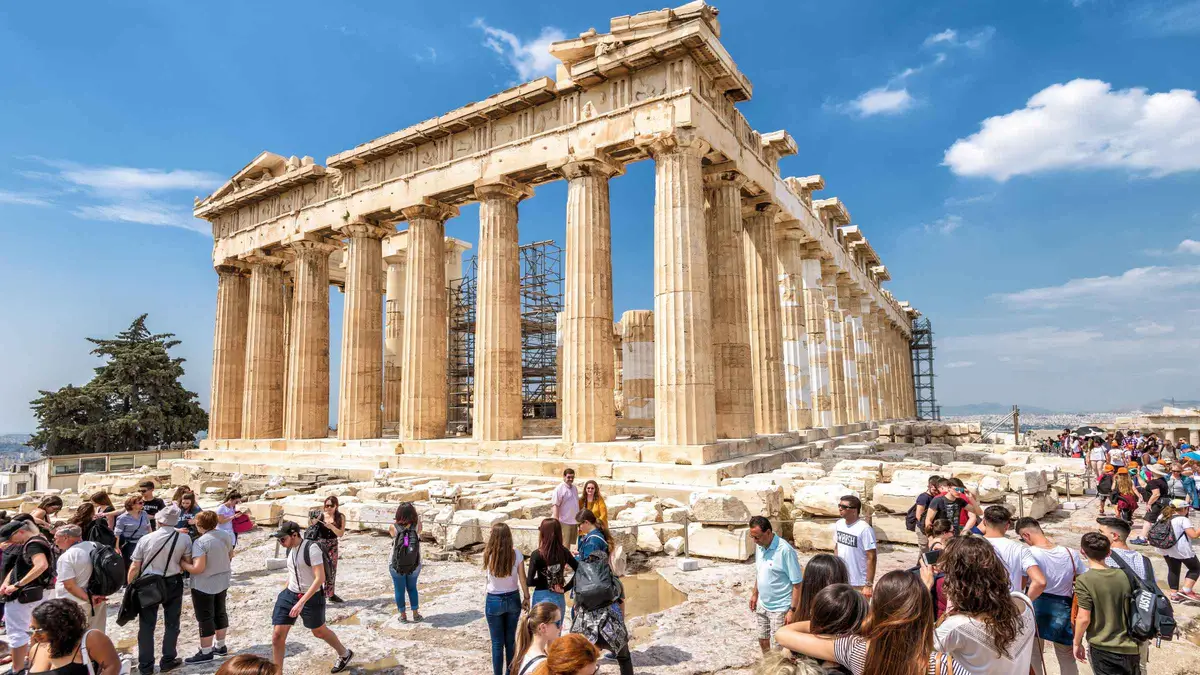
Athens: Acropolis Ticket with Optional Audio or Live Guide
Pre-booked Acropolis entry sent to your phone, with two audio-guide options and no fixed guide to keep up with. The official price is €30; this is the reseller version of the same timed slot.
Check Availability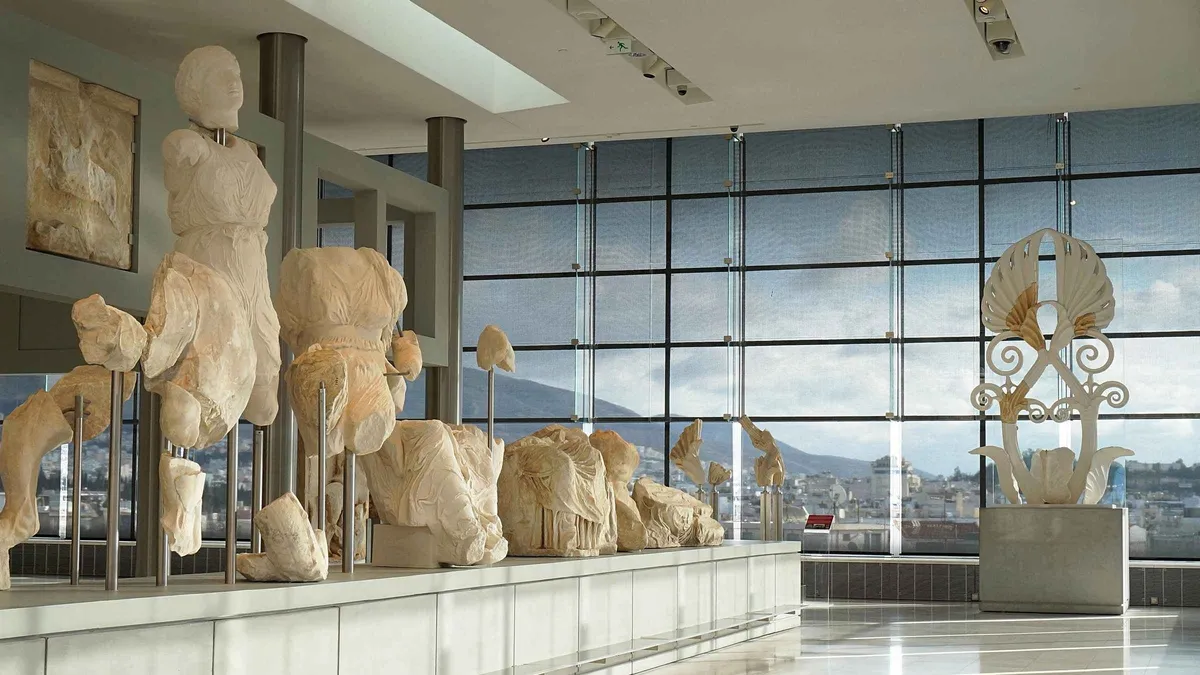 from €26
Athens: Acropolis Museum Ticket with optional Audio Guide
Entry to the Acropolis Museum with optional audio guide. The official price is €20; reduced tickets are only issued at the museum desk, never online.
Check Availability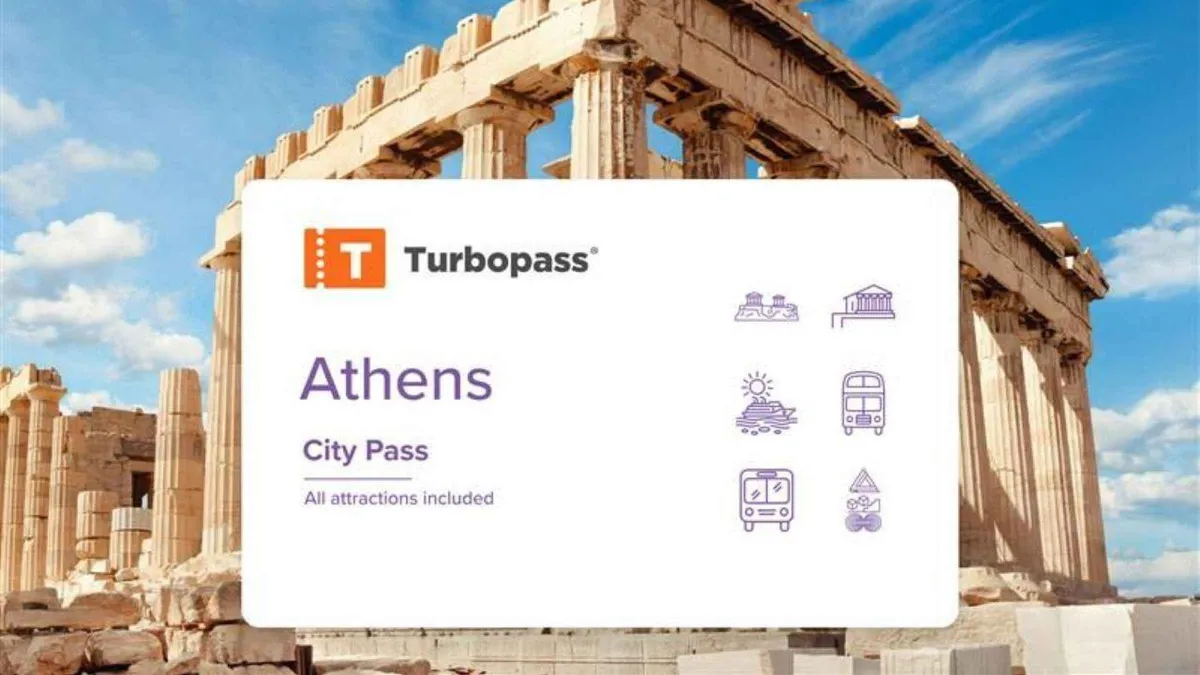 from €78.90
Athens: City Pass with Acropolis, Museums, HoHo & Transport
The Acropolis, the Acropolis Museum and a 48-hour hop-on hop-off bus in one pass, with public transport and an island cruise as options.
Check AvailabilityPrices, ratings and details are the platform's own. Euro figures are the listed prices. The platform bills in your account's currency.
Free entry questions
What days is the Acropolis free?
6 March, 18 April, 18 May, the last weekend of September, 28 October, and the first and third Sunday of each month from 1 November to 31 March. Both winter Sundays, not only the first — the state calendar is taken straight from the official pages.
Which collections are free on those days?
Every state museum and archaeological site, which includes the National Archaeological Museum, both Agoras, the Olympieion, Kerameikos, Hadrian's Library and the out-of-town sites at Sounion, Eleusis and Brauron. The Acropolis Museum runs its own list, and private museums run theirs. The museum calendar compares the two.
Is the Agora site free too?
Only on the free dates — the rest of the year it is €20 full and €10 reduced. It is one of the seven sites the abolished combined ticket used to cover; what replaced that package has the arithmetic.
Do I still need to book on a free day?
At the Acropolis, yes: entry is by declared hour on free days as on any other, and the early hours go first. At the smaller sites you take a zero-price ticket at the gate. How to claim one covers both.
Are free days worth planning a trip around?
A winter Sunday is; 18 May in warm weather is not, unless you are at the gate when it opens. Which days are worth it goes through each date, with the crowd and the timetable behind the verdict.
Is the winter discount still available instead?
No. Reporting on the ministry's April 2025 ticketing change says the 50% low-season reduction between November and March was abolished along with the combined ticket, and the prices published on each official page now run all year.
Free Entry Days on Video
One film on the same subject.
The Acropolis and More for Free: Athens, Greece
A visit built round the free-entry days, including the queue.
Video: Old, Alone and Far From HomePrices, hours and terms are set by the venue or operator and confirmed at checkout.
We may earn a commission if you book through one of our links, at no extra cost to you. Full affiliate disclosure