 Visit Athens Guide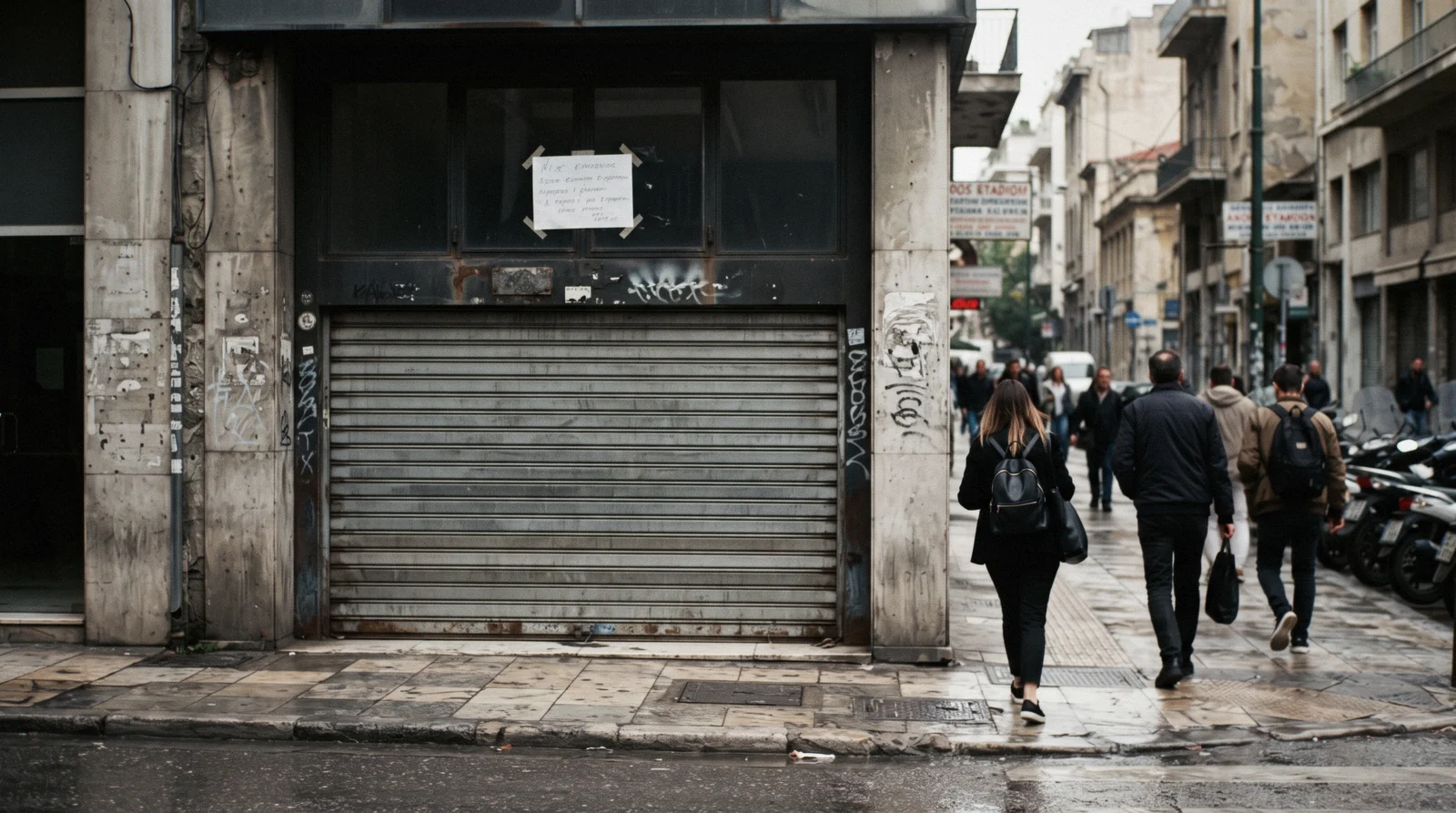
Strikes in Athens: The Variable Nobody Schedules Around
Athens strikes are the one variable in this guide that no amount of planning removes. A general or sector strike can stop the metro, the buses, the ferries and sometimes the archaeological sites, and it is announced days rather than weeks ahead in Greek, on channels no visitor reads. This page is about where to look, what each kind of strike actually stops, and what a non-refundable ticket leaves you with. Checked in Q3 2026. The wider plan is on things to do in Athens.
Quick answer Where to look, and what to do the night before
There is no official English-language strike calendar for Greece. The live Greek-language listing is apergia.gr, and OASA publishes its own service notices. Check both the evening before anything you have paid for, because Hellenic Heritage tickets are non-refundable.
Key takeaways
- Where to look names the two sources and what each covers — one of them is the only thing close to a national calendar.
- What each strike stops is the useful table: a metro strike and a ferry strike are different unions and different days.
- The defence is the change rule, not a refund: two changes per Acropolis ticket, up to two hours before your slot.
- State sites are staffed by ministry employees, so a public-sector strike can close the Acropolis — which surprises most visitors.
- None of this is a reason not to come. It is a reason to check on the evening before a day you have paid for.
- A strike that shuts a site is force majeure: the official terms extend the ticket or refund it — how to recover a ticket.
What each kind of strike actually stops
Different unions call different actions, and they rarely coincide. The column that matters is the last one: what you can still do.
| Called by | What stops | Typical notice | What still works |
|---|---|---|---|
| A general strike (GSEE/ADEDY) | Metro, buses, trolleys, many museums and state sites, some shops | A few days to a week | Walking, private taxis, restaurants, private museums |
| Public-sector action | State archaeological sites and national museums | A few days | The Acropolis Museum, which is a separate organisation |
| Metro or bus workers | Metro or specific lines, sometimes for part of a day | A day or two | Taxis, and the walk — the centre is walkable |
| Seamen's federation (PNO) | All ferries, including the Saronic day trips | A day or two | Everything on land; the day trip does not |
| Air traffic control or airline staff | Flights | Varies, sometimes longer | Nothing you can do; watch the airline |
Two things worth taking from that table. A ferry strike and a metro strike are separate events called by separate unions, so a day that ruins an island trip may leave the city running normally. And the Acropolis Museum being a different legal entity from the state sites means it can be open on a day the rock is shut — which is exactly the kind of thing the two-shops distinction is good for.
The bookings a strike can affect
Anything with a fixed date, and especially anything that floats.
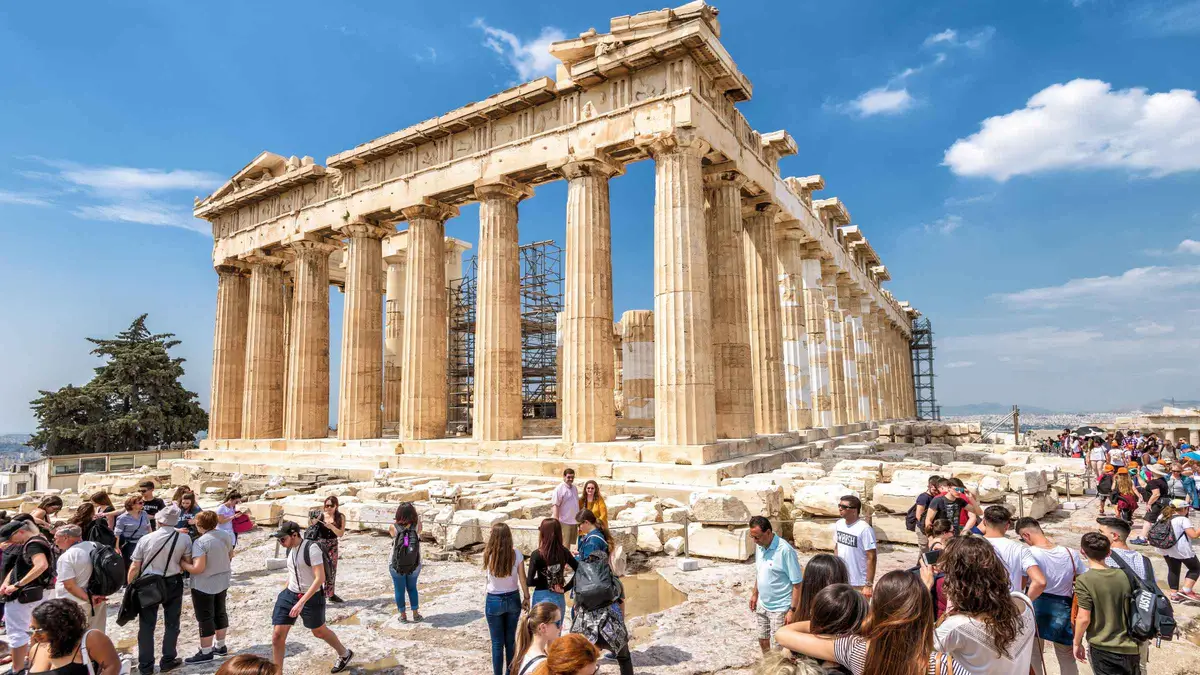 from €36
Athens: Acropolis Ticket with Optional Audio or Live Guide
Pre-booked Acropolis entry sent to your phone, with two audio-guide options and no fixed guide to keep up with. The official price is €30; this is the reseller version of the same timed slot.
Check Availability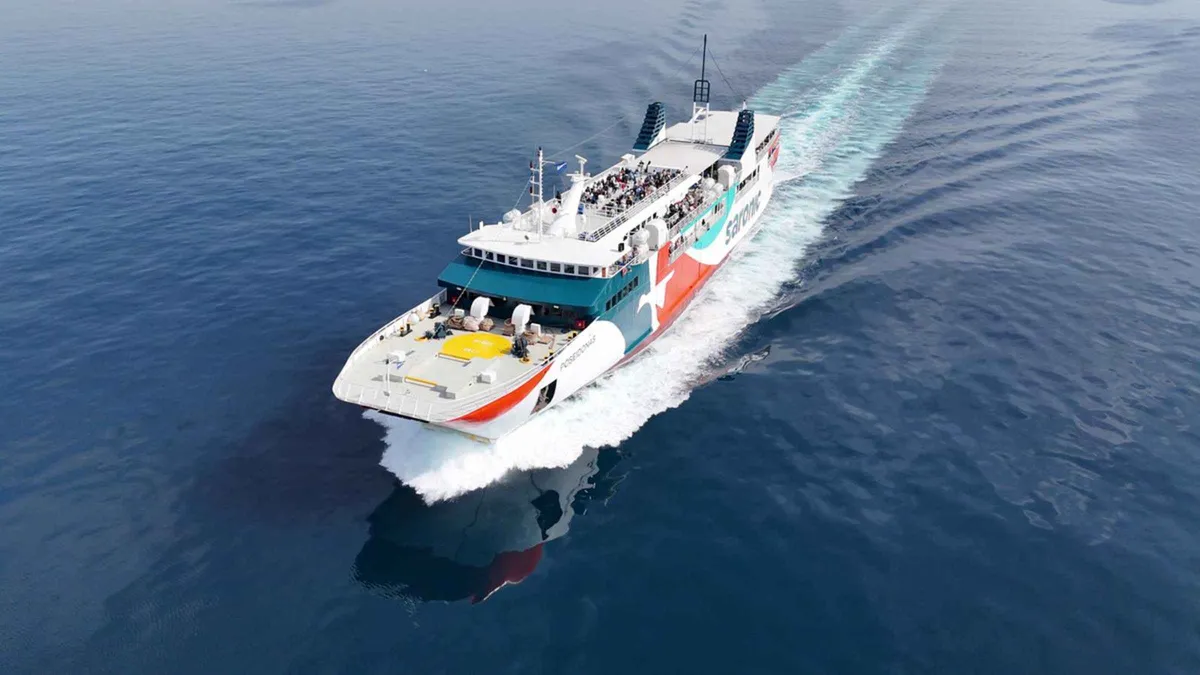 from €12
Athens: Ferry Boat Ticket to/from Aegina Island
Just the boat: a Piraeus–Aegina ferry ticket by email, 75 minutes each way, so the island day is yours to shape.
Check Availability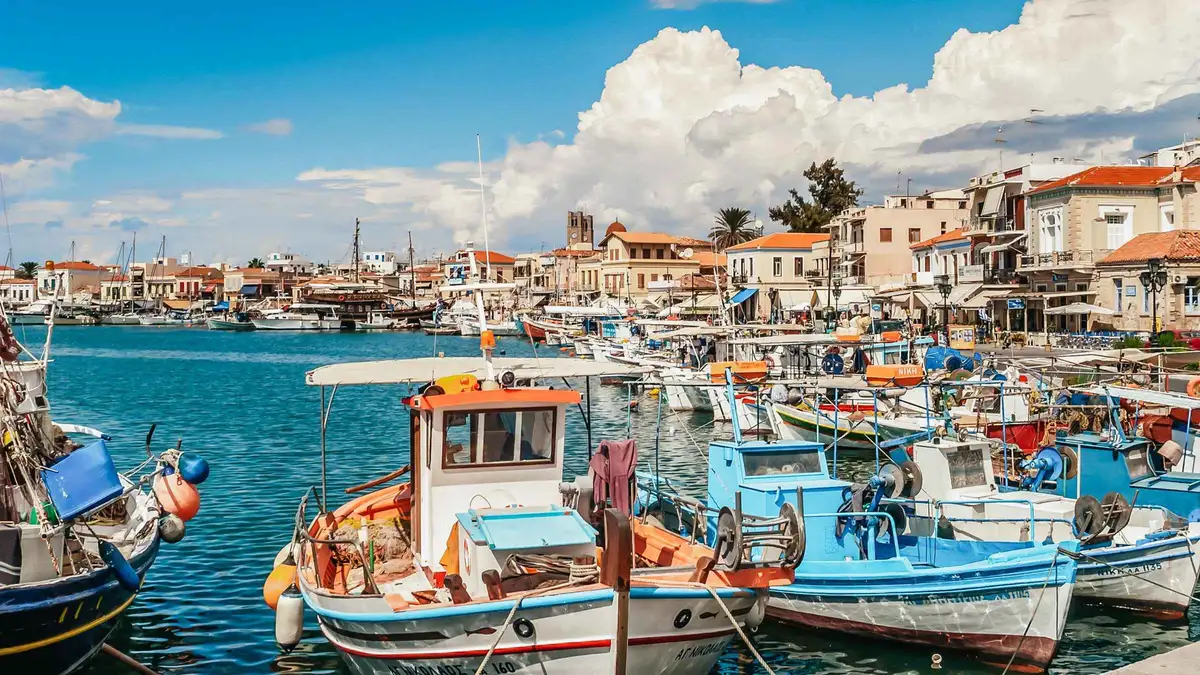 from €123.14
From Athens: Hydra, Poros, and Aegina Day Cruise with Lunch
Twelve hours to Hydra, Poros and Aegina with a buffet lunch on board and time ashore at each.
Check Availability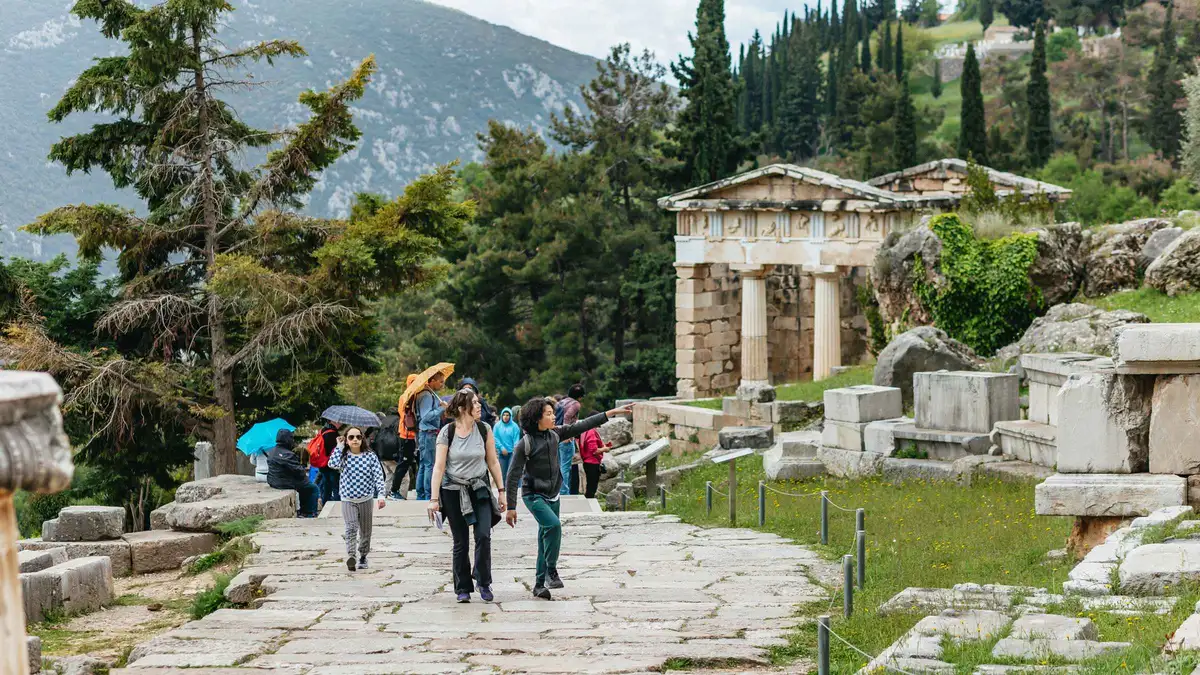 from €39.10
From Athens: Small-Group Delphi, Museum & Arachova Day Trip
The same route in a small group, with the Delphi museum and Arachova, under the Parnassus cliffs.
Check AvailabilityPrices, ratings and details are the platform's own. Euro figures are the listed prices. The platform bills in your account's currency.
Where to look
Two sources, neither of them ideal, and one habit.
apergia.gr
A live Greek-language calendar of announced strikes, updated as they are called. It is not a government service and it is not in English, but it is the closest thing to a national listing that exists and it is what people in Athens actually check. A browser translation is enough to read it.
The law behind the calendar matters for timing. Under Law 1264/1982 a union must give the employer at least 24 hours' notice, and four days where a public utility or public service is involved. In practice that means a metro stop can be called with a single day of warning.
No official English calendar exists, so this Greek page is the listing people rely on.
OASA's own announcements
The transport authority publishes service notices on oasa.gr under Announcements, in Greek and partly in English. This is the authoritative source for what the metro, buses and trolleys will actually do on a given day, including the reduced services that sometimes run during a partial action. It works well as a companion to the strike calendar, since the two answer different questions.
The calendar tells you a union has called an action, which it must do at least 24 hours in advance, or four days for a public utility under Law 1264/1982. OASA tells you what that action means for your route. The difference between a full stop and a skeleton timetable is spelled out here.
And the habit
Check the evening before any day you have already paid for: an Acropolis slot, a ferry, a day trip. That is five minutes and it is the difference between moving a ticket in time and losing it. If you read Greek badly, the word to look for is απεργία.
The timing has a legal reason. A union must give at least 24 hours' notice, and four days where a public utility or service is involved, so strike news can arrive very late. State-site tickets give you no refund, and the change window closes two hours before your entry slot.
If you read of an action for tomorrow, act the same evening rather than the next morning.
What we cannot do for you
Tell you whether there is a strike on your date. Strikes are called with days of notice and anything we printed about a specific date would be stale before you read it. That is a limitation of a guide rather than an oversight.
Under Law 1264/1982 a union must notify the employer at least 24 hours before walking out, and four days where a public utility or public service is involved. There is no official English calendar of actions, so the practical route is apergia.gr in Greek for the calls and oasa.gr for what the transport network will do. No guide can replace that check.
Your own evening before a paid-for day is the right moment for it.
What a strike does to a ticket you already hold
The rules differ by seller, and one of them has no refund at all.
Hellenic Heritage: no refund, two changes
The state platform states plainly that tickets are non-refundable. What you have is the change rule: up to two changes per ticket, allowed up to two hours before your declared entry time, through Manage Tickets on tickets.hh.gr. If a strike is announced for tomorrow and you hold a slot, move it tonight, not in the morning, because the two-hour cut-off is the only protection you have. The Acropolis ticket page has the wording.
The exposure is real, because the big state sites are staffed by ministry employees, so a public-sector strike closes the Acropolis outright. Since the ticket money cannot come back, the change rule is the whole of your defence. Use both changes if you must.
The Acropolis Museum and the stadium
The museum sells its own tickets with its own terms. The Panathenaic Stadium's tickets are valid on the day of issue only and are explicitly not refundable. Neither is a state site, so neither is closed by a public-sector strike, which occasionally makes them the two things still open when the ministry gates are shut.
The museum is a separate legal entity from the state sites, with its own shop, hours and free days, and it has stood over an excavated ancient neighbourhood since 2009. The stadium is the restored all-marble ground of the first modern Olympics in 1896. On a strike day, both can hold several hours of a plan that the Acropolis has just cancelled.
Reseller cards
Several of the reseller options carry free cancellation up to twenty-four hours before, which the official ticket does not. On a trip where a strike would be expensive, that cancellation policy is a large part of what the extra few euro is buying. The comparison is worth making carefully.
Hellenic Heritage tickets are non-refundable, and the only flexibility is two changes per ticket up to two hours before the entry slot. A reseller card that cancels free inside twenty-four hours suits an itinerary with no slack, because a strike call can land inside that window. The lawful minimum notice is just 24 hours, and four days for a public utility, so late news is normal.
Read the card terms before you pay.
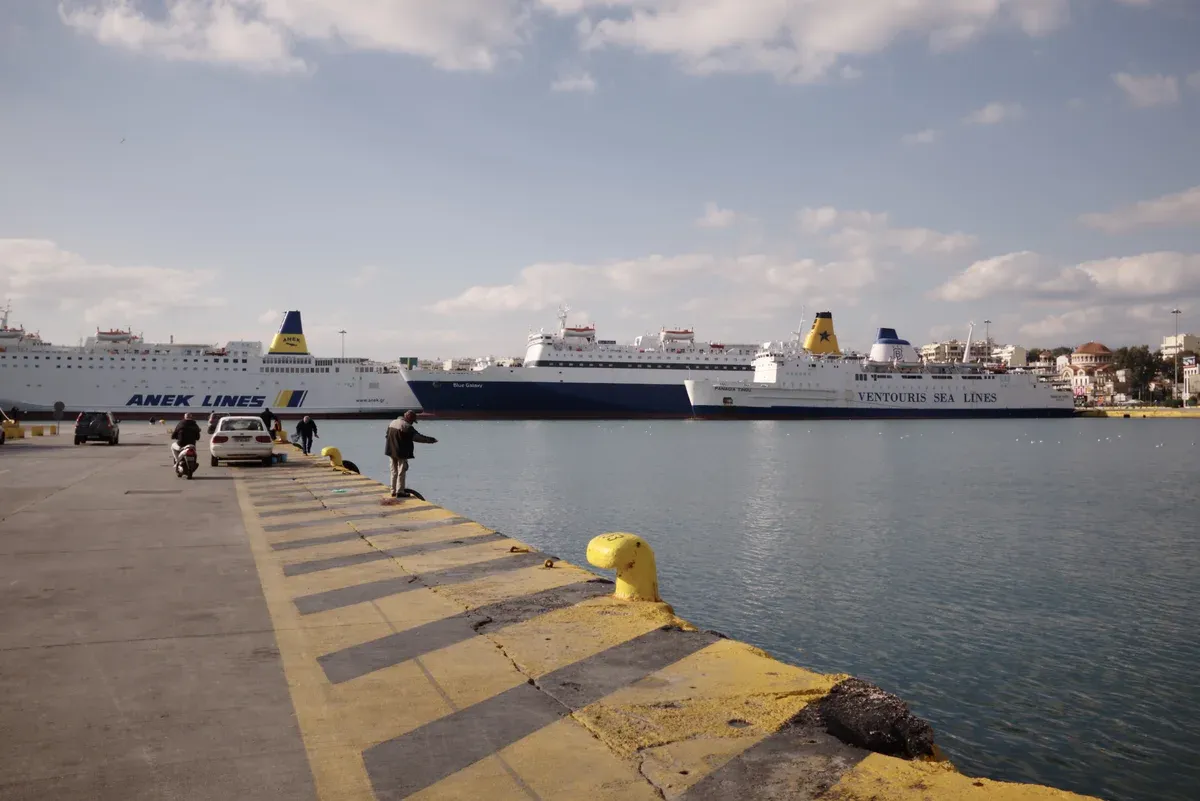
Photo: Nicolas Vigier, CC0, via Wikimedia Commons
Ferries and day trips
A ferry strike cancels sailings outright, and operators generally rebook or refund on their own terms rather than the state's. Organised day trips usually reschedule. Check the terms on the card before you book if your dates have no slack.
Ferry actions are the kind with the shortest warning, since Law 1264/1982 requires only 24 hours' notice for a general stop, though public utilities owe four days. That gap between booking a Saronic crossing and hearing it is cancelled can be a single evening. The practical habit is the same as with site tickets: read the cancellation line at booking, then check apergia.gr the night before each sailing day you have already paid for.
What to do on a strike day
It is a reshuffle, not a lost day.
The centre is walkable
A metro strike is the least disruptive kind for a visitor, because everything in the historic centre is within twenty-five minutes on foot. Syntagma to the Acropolis gate is about twenty minutes. Monastiraki to the rock about fifteen. Getting around has the distances.
That makes the classic loop of the centre effectively strike-proof: the Plaka streets, the Ancient Agora, the pass along Dionysiou Areopagitou, which was pedestrianised in 2003 as part of the scheme that joined the archaeological sites before the 2004 Games. The things that fail are the long ones, the airport line at €9 one way and the coastal trips. The rock and the old town need nothing but your legs, so a stopped metro costs you minutes, not a day.
If the state sites are shut
The Acropolis Museum at €20, the Museum of Cycladic Art at €12 and the Benaki are private or independent and stay open. So do Philopappos Hill, Lycabettus, the National Garden and the whole of Plaka, none of which has a gate. The reason is institutional.
State sites are staffed by ministry employees, so a public-sector strike closes them, while the museums are separate legal entities with their own rules. Philopappos repays the detour, its summit monument raised in Pentelic marble for a Roman consul between AD 114 and 116, its paths laid by Dimitris Pikionis in 1954-57. The National Garden has been free since Queen Amalia commissioned it in 1838.
Because the open sights on a strike day, from Philopappos Hill to Plaka, are exactly the kind of places worth exploring on foot, Athens walking tours can turn a disrupted itinerary into the city's quieter side.
If the ferries are out
The Saronic day trips do not run. The land alternatives at similar length are Cape Sounion at four hours and Delphi at ten, and both are on the road rather than the water. Both also have reasons of their own.
The Temple of Poseidon at Sounion went up in 444 BC, the same year as the Parthenon, from marble quarried at nearby Agrilesa, and 15 of its 34 columns still stand. Delphi is the sanctuary where the Pythia gave the oracles, closed as pagan by Theodosius in AD 393. A strike on the boats costs you Hydra or Aegina, not the whole day.
Book a road trip instead and check the operator's rescheduling terms when you pay.
And the demonstrations
General strikes are usually accompanied by a march, typically from Exarchia or the Polytechnic down to Syntagma, in the middle of the day. They are announced, they are policed, and the sensible response is the same as in any city: do not plan to be in the middle of it, and eat somewhere else that evening. The route is not accidental.
Exarchia takes its name from a 19th-century shopkeeper called Exarchos, and on 17 November 1973 the army broke into the Athens Polytechnic there to end the student occupation. Forty civilians died and the academic asylum law followed. The date is still commemorated, so expect the streets around Syntagma to fill on action days.
Strike questions
Is there a strike in Athens today?
We cannot tell you, and no guide can: strikes are called with days of notice and this page carries a check date rather than a live feed. The live Greek-language listing is apergia.gr and OASA publishes its own notices — where to look has both.
Do strikes close the Acropolis?
They can. State sites are staffed by ministry employees, so a public-sector strike closes them. The Acropolis Museum is a separate organisation and stays open, which is worth knowing on the day.
Will I get a refund if a strike closes the site?
Not from the state platform: Hellenic Heritage tickets are non-refundable by their own terms. What you have is two changes per ticket, up to two hours before the slot. What a strike does to a ticket sets out the rules by seller.
How much notice is there?
Usually a few days, occasionally a week for a large general strike, and sometimes only a day for a sector action. That is why the useful habit is checking the evening before rather than at the start of the trip.
Are strikes dangerous?
No. They are announced, legal and normal, and the accompanying marches are policed. The practical effect on a visitor is a closed metro and a rerouted afternoon. What to do on a strike day covers the reshuffle.
Do ferry strikes and metro strikes happen together?
Rarely — they are called by different unions. A ferry strike can cancel an island day while the city runs normally, and the reverse happens too. The table separates them.
Where to go from here
The pages a strike day sends you to.
Acropolis tickets
Non-refundable, two changes up to two hours before: Acropolis tickets.
The change ruleGetting around
Fares, lines and the walking distances that make a metro strike survivable: getting around.
When the metro stopsStrikes on Video
One film on the same subject.
Things are Happening in Athens - Strikes, Marathons and More | Living in Greece
What a strike day looks like from the street, which is the part a registry cannot show you.
Video: A Girl and Her PassportPrices, hours and terms are set by the venue or operator and confirmed at checkout.
We may earn a commission if you book through one of our links, at no extra cost to you. Full affiliate disclosure